
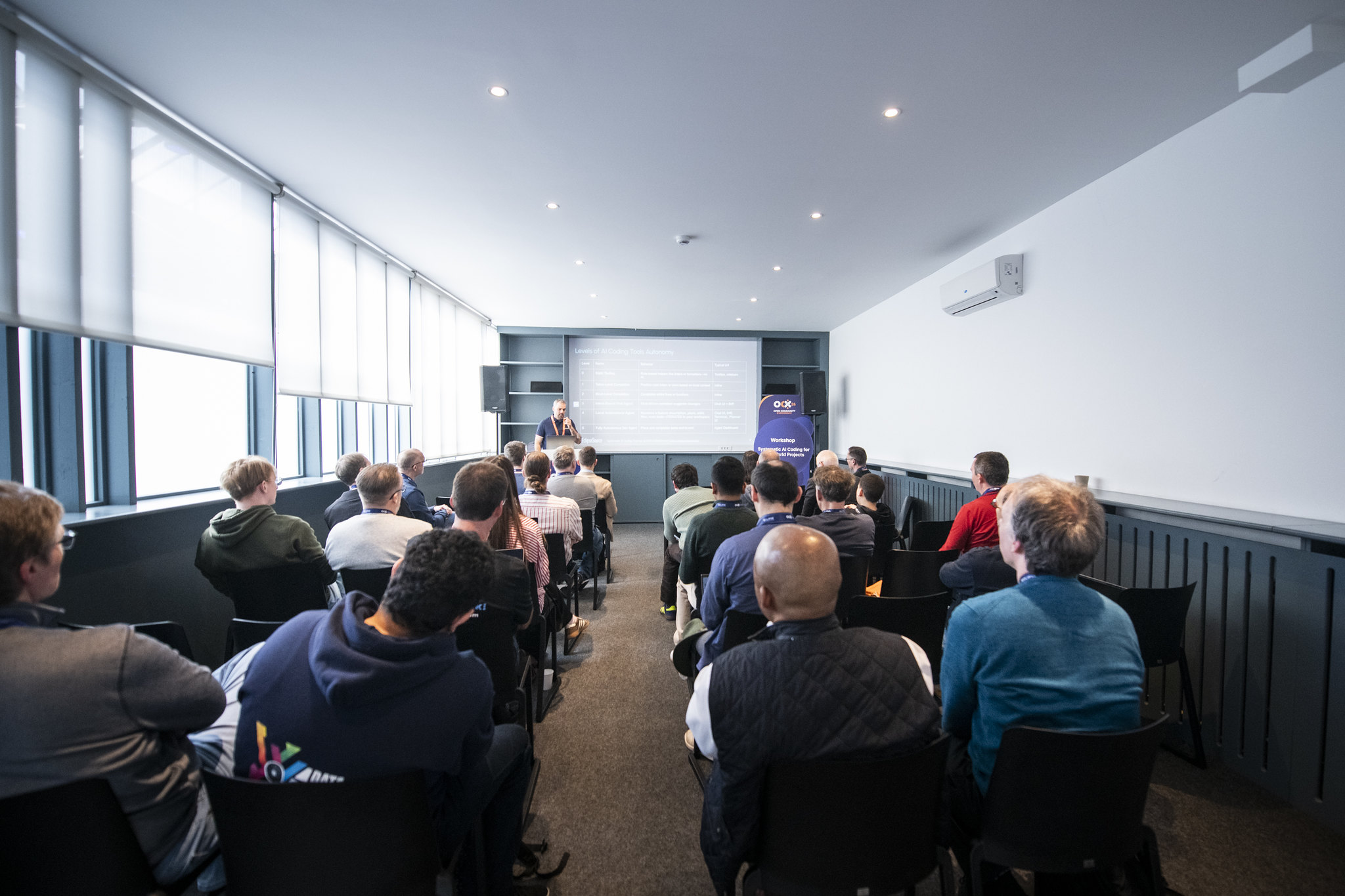
OCX is built around people sharing what they know, what they are building, and what they have learned along the way.
If you have an idea, experience, or lesson worth sharing, we would love to have you be part of the program.
Dates will be announced here and through the OCX and Eclipse Foundation community newsletters. In the meantime, explore the tracks and session formats below and start thinking about what you might like to share.
Whether this would be your first conference talk or you have presented at OCX before, your experience and perspective can add something valuable to the program. We are looking for developers, maintainers, architects, researchers, engineering and business leaders, policymakers, open source contributors, and practitioners from across the open source and technology ecosystem.
Maybe you have solved a difficult technical problem, tried a new approach and learned something unexpected, put an emerging technology into practice, or are working through a challenge others are facing too. If you have something others could learn from, we want to hear from you.
We’re not looking for polished pitches. We’re looking for useful ideas, genuine experience, and something others can learn from. First-time speakers are welcome (view our speaker agreement).

Share what you have built, tested, researched, or put into practice. Real-world examples and demos help bring ideas to life.
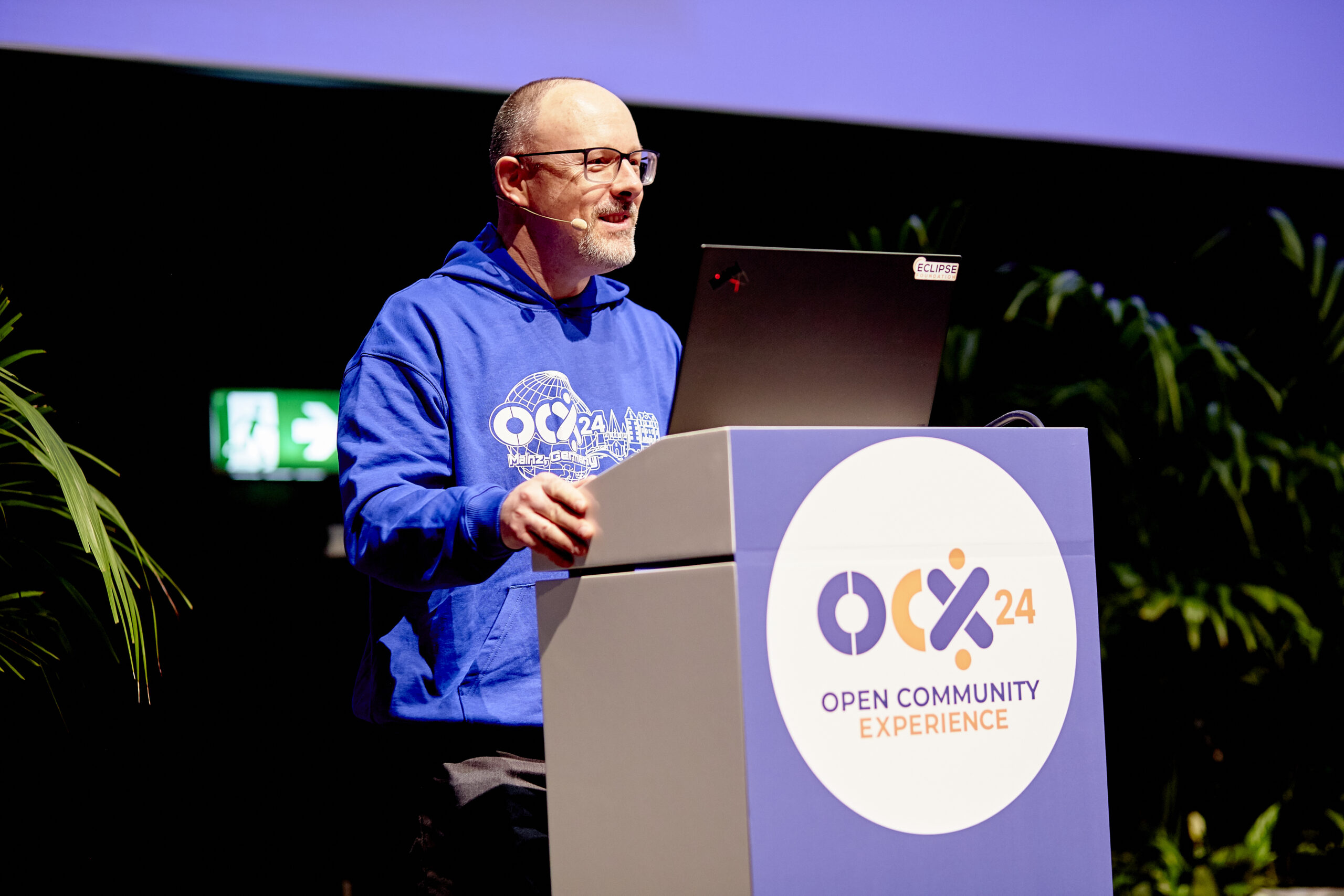
Tell us what worked, what didn't, and what you learned along the way.
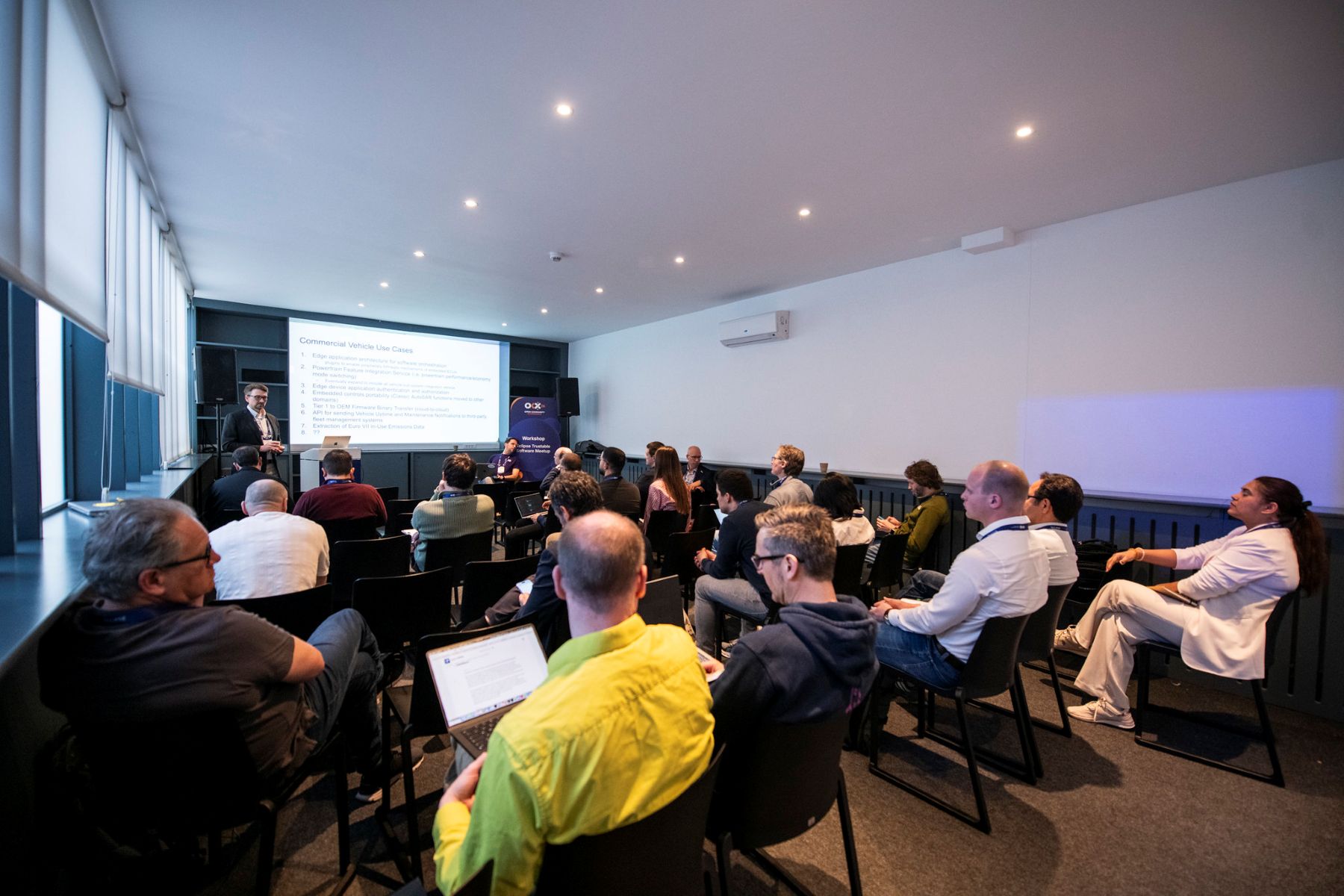
Be clear about who your session is for and what they will learn, understand, or be able to do afterward.
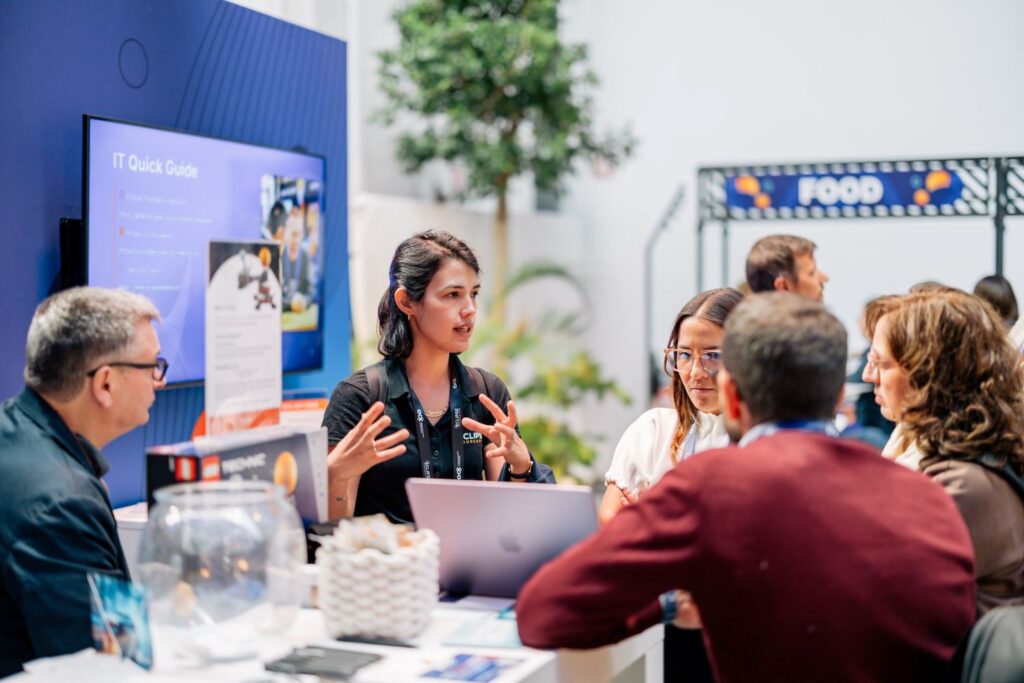
Leave attendees with ideas, knowledge, or approaches they can take back to their own work.
OCX is vendor-neutral. Technologies, tools, and products can be part of the story, but your session should focus on sharing knowledge, not selling something. Promotional presentations and lead collection are not part of the program.
OCX 2027 is organised around five tracks, but many of the most interesting ideas cross traditional boundaries. Choose the track that best reflects the main focus of your proposal. It does not have to fit perfectly.
Software-defined systems & mobility
Engineering an increasingly software-defined world
Software is reshaping vehicles, devices, machines, and connected systems. This track covers the architectures, platforms, and engineering practices behind next-generation software-defined vehicles, embedded and edge systems, robotics, autonomous systems, and other intelligent, connected products.
Modern software development
Rethinking how software gets built
How we design, build, and maintain software continues to evolve. This track covers AI-assisted and agentic development, programming languages and runtimes, cloud native, developer tools, DevOps, platform engineering, and the architectures and practices teams are using today.
Digital autonomy & technological sovereignty
Building for greater choice, control, and independence
Digital autonomy depends on the choices we make about architecture, infrastructure, data, standards, and technology dependencies. This track examines how open technologies can help organisations and governments build more adaptable and resilient systems while reducing critical dependencies.
Cybersecurity & regulatory compliance
From requirements to real-world readiness
Building secure software now means navigating both technical risks and regulatory requirements. This track covers secure development, software supply chain security, vulnerability management, SBOMs, open source compliance, and the practical impact of regulations such as the Cyber Resilience Act and AI Act.
Research & innovation
Where emerging ideas meet real-world applications
New technologies become useful when they move beyond the lab. This track brings together applied research, experimental technologies, and real-world engineering, with a focus on AI, software engineering, embedded and edge systems, open science, collaborative R&D, and moving research into production.
Choose the track that comes closest. The Program Committee may move proposals between tracks during the review process to help create the strongest overall program.
Here are the key dates for the OCX 2027 Call for Proposals and when you can expect to hear from us.
Call for Proposals opens
Start submitting proposals for OCX 2027.
Early submission deadline
Submit early for the opportunity to be considered for early program announcements and promotion.
Final submission deadline
The final day to submit your proposal for OCX 2027.
Speaker notifications
Everyone who submits a proposal will be notified of the outcome. Accepted speakers will also receive everything they need to start preparing for OCX 2027.
Already submitted? There is no need to register until you hear from us. Accepted speakers receive a complimentary conference pass.
Your proposal will be reviewed by members of the OCX Program Committee who understand the track, its technologies, and the people we hope to bring together. They'll consider four things:
Clarity
Can we quickly understand what the session is about, who it’s for, and what attendees will get from it?
Relevance
Does the topic matter to the audiences and communities coming to OCX?
Originality
Does it offer a useful perspective, experience, approach, or idea?
Impact
Will attendees leave with something valuable they can use, explore, or think differently about?
You can meet the people helping shape this year’s program on the program committee page.
As an OCX speaker, you are part of the community that makes the program possible. We want you to get as much from the experience as the people who come to hear you speak.

Enjoy the full OCX experience, with access to all five tracks throughout the conference.
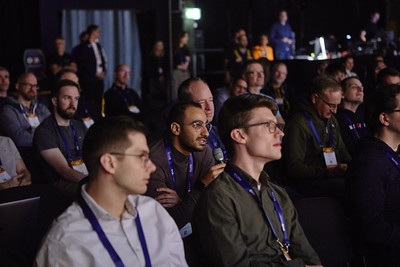
Meet and connect with fellow speakers at an informal dinner in Brussels before the conference.

We will introduce you and your session to the OCX community through our communications channels.
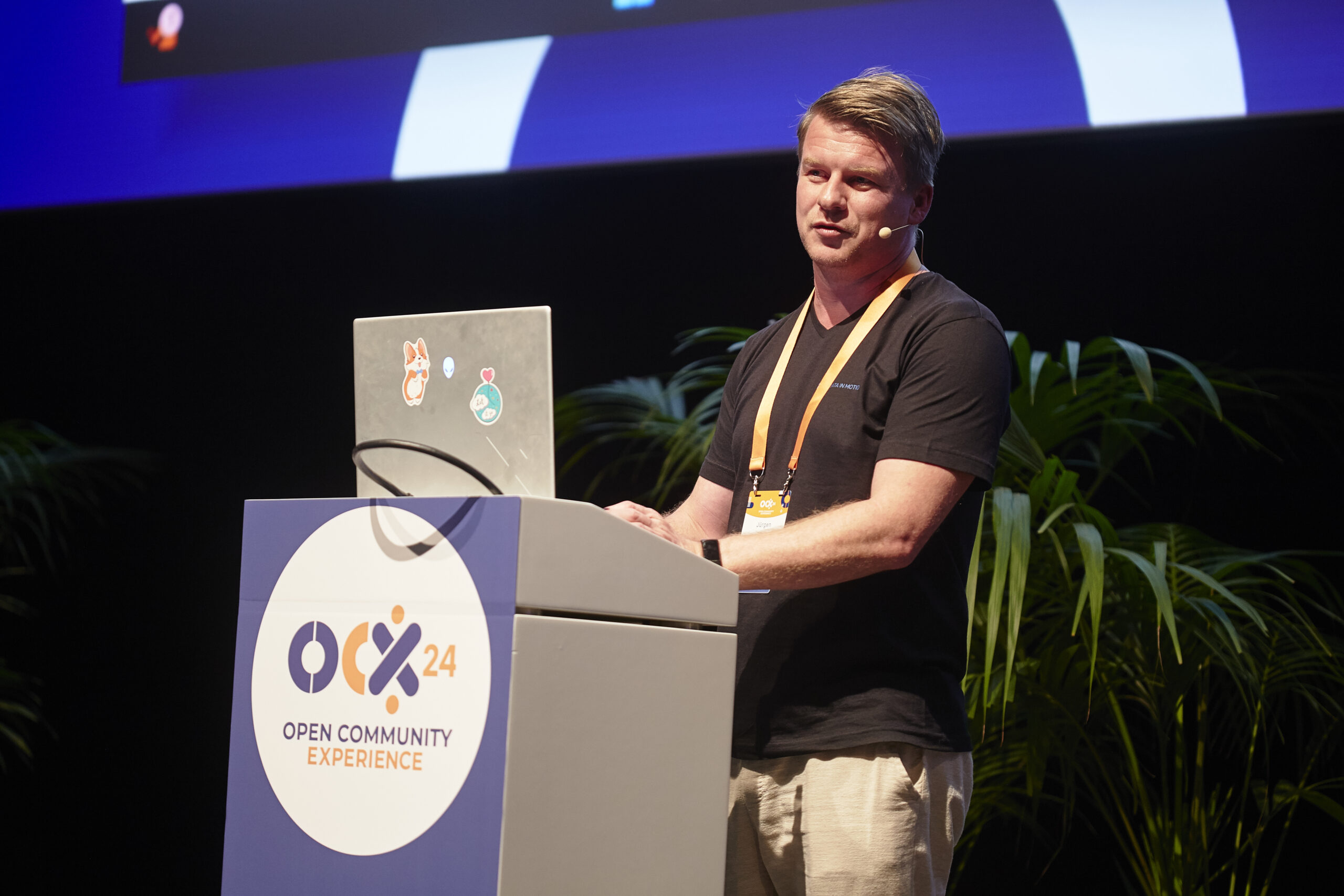
Your session will be published on the OCX YouTube channel, extending its reach beyond the conference.

Speakers are responsible for their own travel and accommodation. See the venue when planning your trip, and review the speaker agreement for the full terms, including consent to being recorded. All OCX participants agree to follow the Code of Conduct.
For anything about submitting or speaking, email speakers@ocxconf.org, or use the contact page
Red Hat is the world’s leading provider of enterprise open source software solutions, using a community-powered approach to deliver reliable and high-performing Linux, hybrid cloud, container, and Kubernetes technologies. Red Hat helps customers develop cloud-native applications, integrate existing and new IT applications, and automate and manage complex environments.
A trusted adviser to the Fortune 500, Red Hat provides award-winning support, training, and consulting services that bring the benefits of open innovation to any industry. Red Hat is a connective hub in a global network of enterprises, partners, and communities, helping organizations grow, transform, and prepare for the digital future.
At ADEPTIC Reply, part of the Reply Group, we are pioneering innovation in the Cloud‑Edge Continuum and next‑generation robotic and autonomous systems orchestration.
We design and deliver advanced architectures that seamlessly connect cloud intelligence with edge autonomy, enabling high‑performance, resilient, and scalable robotic applications.
From distributed orchestration to real‑time decision making on edge devices, we drive the future of robotics and autonomous mobility with cutting‑edge technology and a vision for the next era of intelligent systems.
Adeptic Reply is actively involved in the EU IPCEI-CIS program, with a strong focus on Cloud computing at the edge for data network services. Through close collaboration with key European partners, the company contributes to build a secure, resilient and sovereign intelligent ecosystem, where AI, Cloud and orchestration converge.
Adeptic Reply strongly believes in the value of open communities as key drivers of innovation through collaboration and knowledge sharing.
Follow them on LinkedIn.